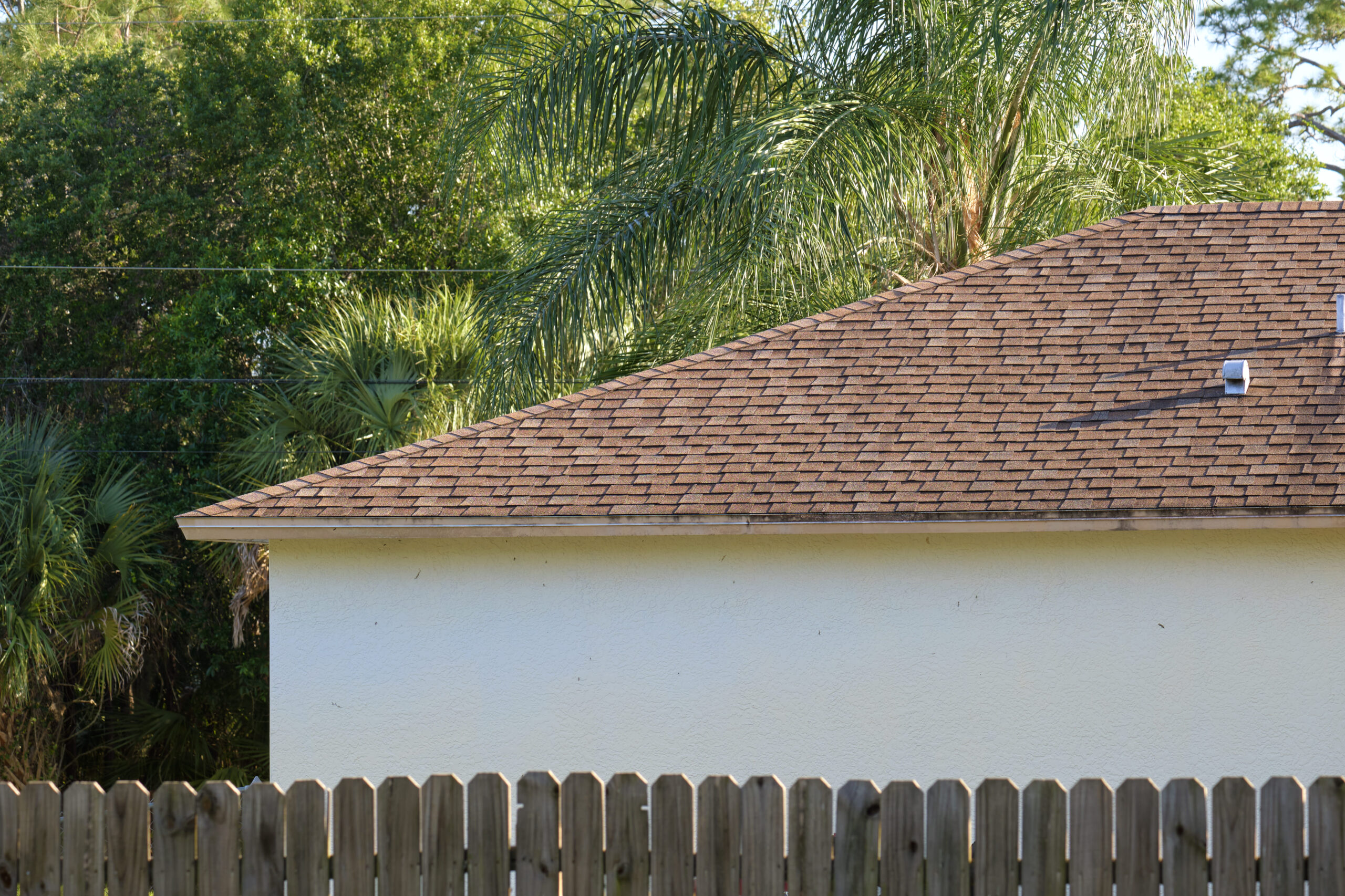
Are you staring at your roof wondering if those shingles above your head will protect your family for another decade, or if you’re living on borrowed time? Every homeowner faces this crucial question at some point, and the answer isn’t as straightforward as you might think.
Your shingle roof’s lifespan depends on multiple factors, from the quality of materials to the weather patterns in your area, and understanding these variables can save you thousands of dollars in unexpected roof replacement services.
The reality is that most homeowners wait too long to address roofing concerns, often discovering problems only after water damage has already begun. This reactive approach typically costs three times more than proactive maintenance and planning.
According to the Department of Energy, improved asphalt shingles with enhanced solar reflectance could save homeowners up to 50% more energy per unit roof area than current generation shingles. When you understand how long does a shingle roof last and what affects its durability, you can make informed decisions about maintenance, repairs, and eventual replacement.
Understanding Shingle Roof Lifespan Basics
The lifespan of your shingle roof varies significantly based on the type of materials installed on your home. Standard 3-tab asphalt shingles typically last between 15 to 20 years under normal conditions. These entry-level shingles represent the most affordable option but offer the shortest protection period.
Dimensional or architectural shingles provide enhanced durability and aesthetic appeal. These premium materials can serve your home for 25 to 30 years with proper installation and maintenance, making them a popular choice for homeowners seeking long-term value.
- Premium asphalt shingles offer the longest lifespan in the asphalt category, typically lasting 25 to 30 years.
- Luxury shingles can extend beyond 30 years with exceptional care and favorable conditions.
- Manufacturer warranties range from 20 to 50 years depending on shingle grade and installation quality.
How long does a shingle roof last becomes more predictable when you consider these baseline expectations. However, your actual experience will depend on factors beyond material quality, including installation craftsmanship and environmental conditions specific to your location. Understanding how often does a roof need to be replaced helps with long-term planning.
Critical Factors That Determine Roof Longevity
Weather conditions in your area play the most significant role in determining your roof’s actual lifespan. Severe weather events can reduce an asphalt shingle roof’s lifespan by up to 30 percent, depending on storm frequency and intensity. Extreme temperature fluctuations cause shingles to expand and contract repeatedly, leading to cracking and premature aging.
Installation quality directly impacts how well your roof withstands environmental stresses over time. Poor workmanship can cut your roof’s expected lifespan in half, regardless of material quality. Professional installation ensures proper ventilation, correct fastening patterns, and appropriate underlayment placement.
- Adequate attic ventilation prevents heat buildup that can warp and damage shingles from underneath.
- Proper ventilation also prevents ice dam formation during winter months in colder climates.
- Quality underlayment provides secondary protection against water infiltration.
- Correct flashing installation around chimneys, vents, and valleys prevents common leak points.
Your maintenance practices significantly influence how long your shingles remain effective. Regular cleaning, debris removal, and prompt repair of minor issues can extend your roof’s life by up to 10 years beyond its expected lifespan. Professional roof maintenance prevents costly emergency situations.
Regional Climate Impact on Shingle Performance
Different climate zones present unique challenges that affect how long does a shingle roof last in your specific location. Southern regions with intense sunshine and high temperatures typically see reduced lifespans of 14 to 18 years for standard asphalt shingles, compared to the national average of 20 years. The constant UV exposure causes granule loss and shingle brittleness more rapidly than in moderate climates.
Northern climates with frequent freeze-thaw cycles create different stresses on roofing materials. Ice formation and rapid temperature changes cause expansion and contraction that can loosen shingles and create entry points for moisture.
- Coastal areas face salt air exposure that accelerates corrosion of metal components like flashing and fasteners.
- High-wind regions require enhanced installation techniques and may experience more frequent shingle damage.
- Areas with frequent hail storms need impact-resistant shingles to maintain normal lifespans.
- Regions with heavy rainfall require superior drainage systems to prevent water accumulation.
DLV Roofing serves multiple climate zones across seven major metropolitan areas, providing region-specific solutions that account for local weather patterns. Understanding your area’s specific challenges helps set realistic expectations for roof performance and maintenance needs.
Essential Maintenance Practices for Maximum Lifespan
Professional inspections form the foundation of effective roof maintenance. Comprehensive inspections should occur at least twice yearly, preferably in spring and fall, with additional checks after severe weather events. These inspections identify minor issues before they become major problems requiring extensive roof replacement services.
Regular cleaning prevents debris accumulation that retains moisture and promotes organic growth. Leaves, branches, and other organic matter create conditions where moss and algae thrive, potentially damaging shingle surfaces and reducing their protective capabilities.
- Remove debris from gutters and downspouts to ensure proper water drainage away from the roof structure.
- Trim overhanging tree branches that drop leaves and can damage shingles during storms.
- Clean moss and algae growth promptly using appropriate methods that won’t damage shingle granules.
- Inspect and maintain proper attic ventilation to prevent heat and moisture buildup.
- Address minor repairs immediately to prevent water infiltration and structural damage.
Preventive maintenance costs significantly less than reactive repairs or premature replacement. Homeowners who invest in regular maintenance typically achieve the full expected lifespan from their shingles, while those who neglect upkeep often face replacement costs years earlier than necessary. Learn more about roof maintenance tips for Houston that apply to most climates.
Warning Signs Your Roof Needs Professional Attention
Visual indicators on your shingles provide early warning of potential problems that could shorten your roof’s lifespan. Granule loss appears as bare spots on shingles or excessive granules in gutters and around downspout areas. This granule layer protects the underlying asphalt from UV damage, so significant loss accelerates aging and reduces weather resistance.
Curling or cupping shingles indicate moisture problems or inadequate ventilation. These deformations allow water penetration and create lifting points where wind can grab and remove entire shingles during storms.
- Missing or damaged shingles create immediate vulnerabilities that require prompt professional roof repairs.
- Dark streaks or staining indicate algae growth that can damage shingle surfaces over time.
- Sagging areas suggest structural issues that demand immediate professional evaluation.
- Interior water stains or leaks signal that exterior problems have already compromised your home’s protection.
When multiple warning signs appear simultaneously, or when your roof approaches the 15-year mark, professional evaluation becomes essential. Understanding what hail damage looks like on a roof helps identify storm-related issues early.
Making Smart Decisions for Long-Term Protection
How long does a shingle roof last ultimately depends on your commitment to proper selection, installation, and maintenance. The decisions you make today about materials, contractors, and ongoing care directly impact your roof’s performance for decades to come. Quality investments in roofing create long-term value that protects both your family and your financial security.
Your roof represents one of your home’s most critical systems, deserving the same attention and care you give other major investments. Regular professional maintenance, prompt attention to problems, and strategic planning for eventual replacement ensure optimal performance and maximum lifespan from your roofing investment. Understanding how long it takes to replace a roof helps with proper planning.
Our team understands the unique challenges facing roofs in different climates and provides solutions tailored to maximize your roof’s lifespan and performance. Whether you need maintenance guidance, repairs, or complete roof replacement services, we’re here to ensure your home stays protected for years to come. Contact us today to schedule your comprehensive roof evaluation and discover how proper care can extend your shingle roof’s life well beyond its expected lifespan.