Have you ever wondered about the invisible foundation that keeps your shingles secure and your home protected from the elements? Most homeowners never think about the critical layer beneath their roofing materials until problems arise.
According to the International Residential Code, roof decking must provide adequate structural support for all roofing materials and weather loads. Understanding what is roof decking can save you thousands of dollars in repairs and help you make informed decisions about your home’s protection.
Understanding the Foundation of Your Roofing System
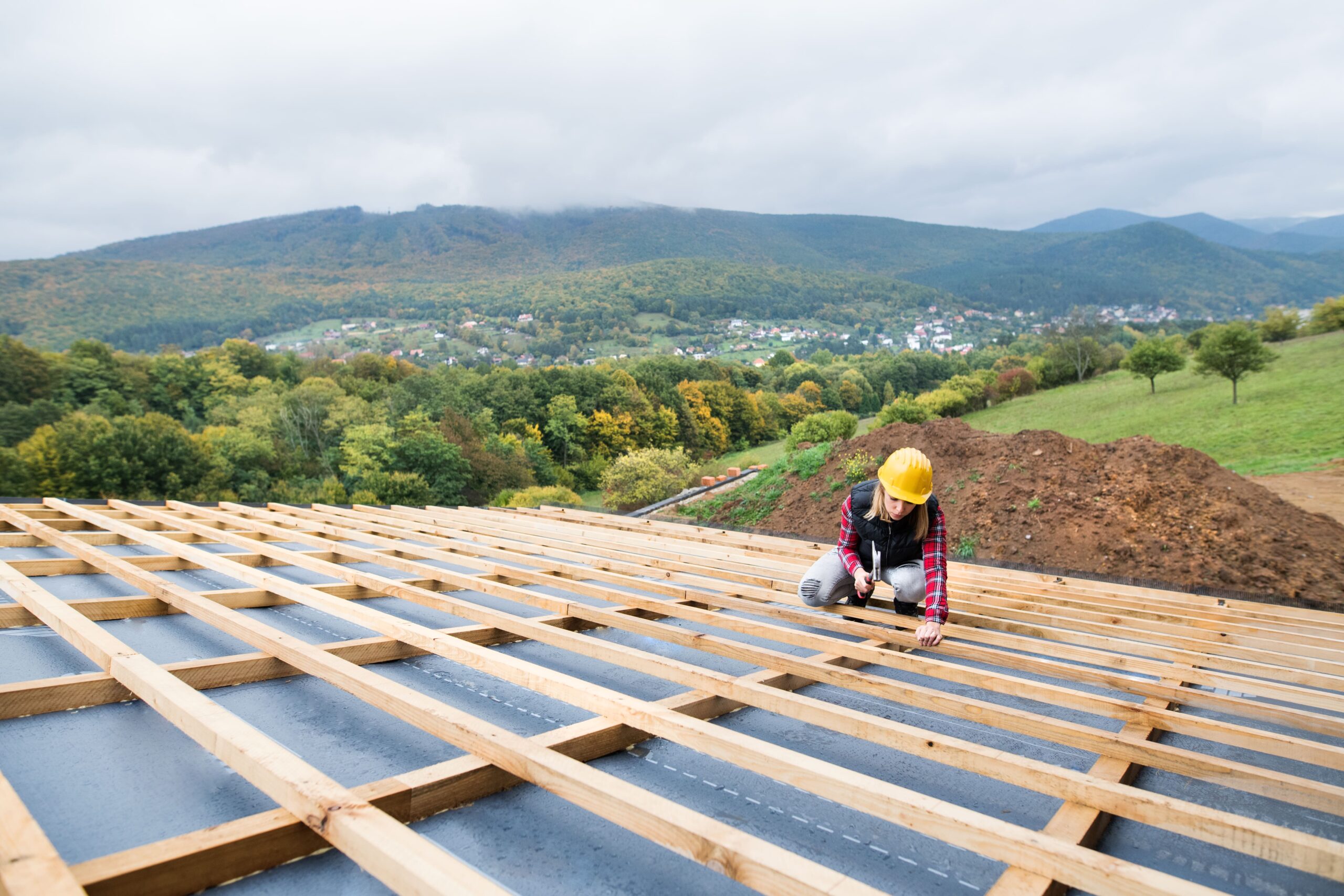
Roof decking, also called roof sheathing, serves as the structural backbone of your entire roofing system. This solid surface gets installed directly over your roof’s framing and provides the essential base where all roofing materials attach. Think of it as the foundation for your roof, just like concrete forms the foundation for your home’s walls.
Professional roofers install roof decking between the rafters or trusses and the weatherproofing materials. This creates the fundamental structure that supports everything above it.
- The decking creates a stable platform that distributes the weight of roofing materials evenly across the structure.
- Every shingle, underlayment layer, and protective barrier depends on this critical component for proper installation.
- Modern building codes require specific thickness and material standards for residential applications.
- Understanding what is roof decking helps homeowners recognize when roof replacement might include decking work as well.
Types of Roof Decking Materials
Modern construction relies on several proven materials for roof decking, each offering distinct advantages for different situations and budgets. Selecting the right material affects both immediate costs and long-term performance.
Plywood Sheathing
Plywood remains one of the most popular choices among homeowners and contractors. This engineered wood product comes in various thicknesses, with 5/8-inch CDX exterior grade being the most common selection.
- Plywood offers excellent strength and durability for most residential applications.
- The material provides consistent performance across different weather conditions.
- Installation costs remain reasonable compared to premium alternatives.
- Cross-grain construction prevents splitting along wood grain lines.
Oriented Strand Board (OSB)
OSB consists of compressed wood strands held together with adhesive, creating a cost-effective alternative to traditional plywood. Most OSB roof decking measures 7/16 inches thick, providing adequate support for standard roofing materials.
- OSB typically costs less than plywood while maintaining structural integrity.
- The manufacturing process creates consistent quality across different sheets.
- This material performs well in dry conditions but can swell when exposed to moisture.
- Environmental certifications make OSB attractive for sustainable building projects.
Traditional Wood Planks
Older homes often feature solid wood plank decking, typically using 1×6 or 1×8 boards installed perpendicular to the rafters. While this method creates beautiful exposed ceilings, it requires more labor and materials.
- Plank decking allows homeowners to showcase natural wood grain in cathedral ceilings.
- The installation process takes significantly longer than sheet materials.
- Current building standards require gaps between planks to remain under 1/8 inch for proper roofing material attachment.
- This traditional method often appears in historic home restorations.
Recognizing Signs of Damaged Roof Decking
Professional roof maintenance services include regular inspections that can identify decking problems before they become expensive emergencies. Experienced contractors know exactly what warning signs indicate potential structural issues.
Interior Warning Signs
Smart homeowners monitor their attic spaces for early indicators of decking deterioration. These symptoms often appear before exterior damage becomes visible.
- Water stains on the underside of decking boards signal active or previous leaks.
- Sagging areas visible from below indicate structural compromise requiring immediate attention.
- Mold or mildew growth suggests moisture problems affecting the wood’s integrity.
- Soft spots detected when walking across the roof surface reveal weakened decking.
- Musty odors in the attic often accompany moisture-related decking problems.
Regular roof maintenance helps identify these issues early.
Exterior Indicators
Walking around your property regularly helps identify exterior signs that suggest decking problems underneath your roofing materials.
- Nail pops protruding through shingles indicate movement in the underlying structure.
- Dips or swells in the roof surface suggest uneven or damaged decking below.
- Missing or loose shingles often result from inadequate attachment to compromised decking.
- Granule accumulation in gutters may indicate excessive roof movement from weak decking.
When Roof Decking Requires Replacement
Understanding when decking replacement becomes necessary helps homeowners budget for this important investment. DLV Roofing professionals evaluate decking condition during every roof inspection to ensure structural integrity.
Professional contractors replace roof decking whenever its load-bearing capacity becomes compromised. Moisture damage, rot, holes, cracks, shrinkage, or warping all indicate the need for replacement before installing new roofing materials.
- Experienced roof maintenance services identify decking problems during routine inspections.
- Immediate replacement prevents further structural damage to rafters and trusses.
- Modern installation standards require solid, gap-free decking for warranty compliance.
- Building codes mandate specific fastening patterns and materials for different regions.
Our roofing materials guide explains how decking supports different roofing systems.
Installation Standards and Best Practices
Proper roof decking installation follows specific guidelines that ensure long-term performance and code compliance. Professional roofers understand these requirements and apply them consistently across all projects.
Spacing and Fastening Requirements
Correct installation techniques prevent common problems that lead to premature failure and expensive repairs.
- Panels require 1/8-inch expansion gaps between adjacent sheets to accommodate seasonal movement.
- All panel ends must land directly on rafters or trusses for proper support.
- Fasteners get placed every 6 inches along panel edges and every 12 inches throughout the field area.
- Ring-shank nails or decking screws provide superior holding power compared to standard nails.
- Proper ventilation channels prevent moisture buildup underneath decking materials.
Special Climate Considerations
Different regions require specific adaptations to address local weather patterns and building codes. Climate-specific materials work better in certain environments.
- Cold climates often require ice and water shield installation at roof edges.
- High-wind areas may need additional fastening patterns for enhanced security.
- Moisture-prone regions benefit from treated lumber or enhanced ventilation systems.
- Coastal areas require corrosion-resistant fasteners and materials.
The Cost Factor in Roof Decking
Replacement costs vary significantly based on material choice, labor requirements, and regional pricing factors. Plank decking typically costs three times more per square foot than sheet materials when factoring in both labor and materials.
Professional roof maintenance services help homeowners understand these cost differences and make informed decisions based on their specific situations and budgets.
- Sheet decking materials range from $1.50 to $3.00 per square foot installed.
- Plank decking installation costs between $4.50 and $9.00 per square foot.
- Labor represents approximately 60% of total decking replacement costs.
- Regional material availability affects pricing significantly.
- Roof complexity and accessibility influence labor time and costs.
DLV Roofing provides transparent pricing and detailed explanations of material options during consultations. Our service areas include competitive pricing across all regions.
Project Examples and Applications
Understanding real-world decking applications helps homeowners visualize their projects. Different situations require different approaches to decking installation and replacement.
- New construction projects allow optimal material selection from the beginning.
- Shingle re-roofs often require partial decking replacement.
- Metal re-roofs may need solid decking installation for proper support.
- Commercial roofing applications use different decking materials and methods.
Protecting Your Investment Through Professional Care
What is roof decking becomes much clearer when you understand its critical role in your home’s protection system. This structural foundation supports everything above it, making proper installation and maintenance essential for long-term performance.
Regular professional inspections catch decking problems early, preventing expensive structural damage and extending your roof’s lifespan. Quality materials and expert installation create the solid foundation your home deserves.
- Proper decking installation prevents moisture infiltration and structural damage.
- Professional installation ensures warranty compliance and building code adherence.
- Regular maintenance extends decking lifespan significantly.
- Quality materials provide better long-term value despite higher initial costs.
Secure Your Home’s Foundation Today
Your roof decking works silently behind the scenes, supporting your family’s safety and comfort every single day. Don’t wait for visible problems to address this critical component of your roofing system.
DLV Roofing has much experience with every project, ensuring your roof decking meets the highest standards for durability and performance. Our expert team serves homeowners throughout Asheville, Charleston, Austin, Dallas, Houston, Indianapolis, Nashville and Knoxville with comprehensive roofing solutions.
Contact us today for a free inspection and discover how professional roof maintenance services can protect your investment and provide peace of mind for years to come.